
Inclusion and sense of belonging: insights from the Arcos Dorados Brazil experience
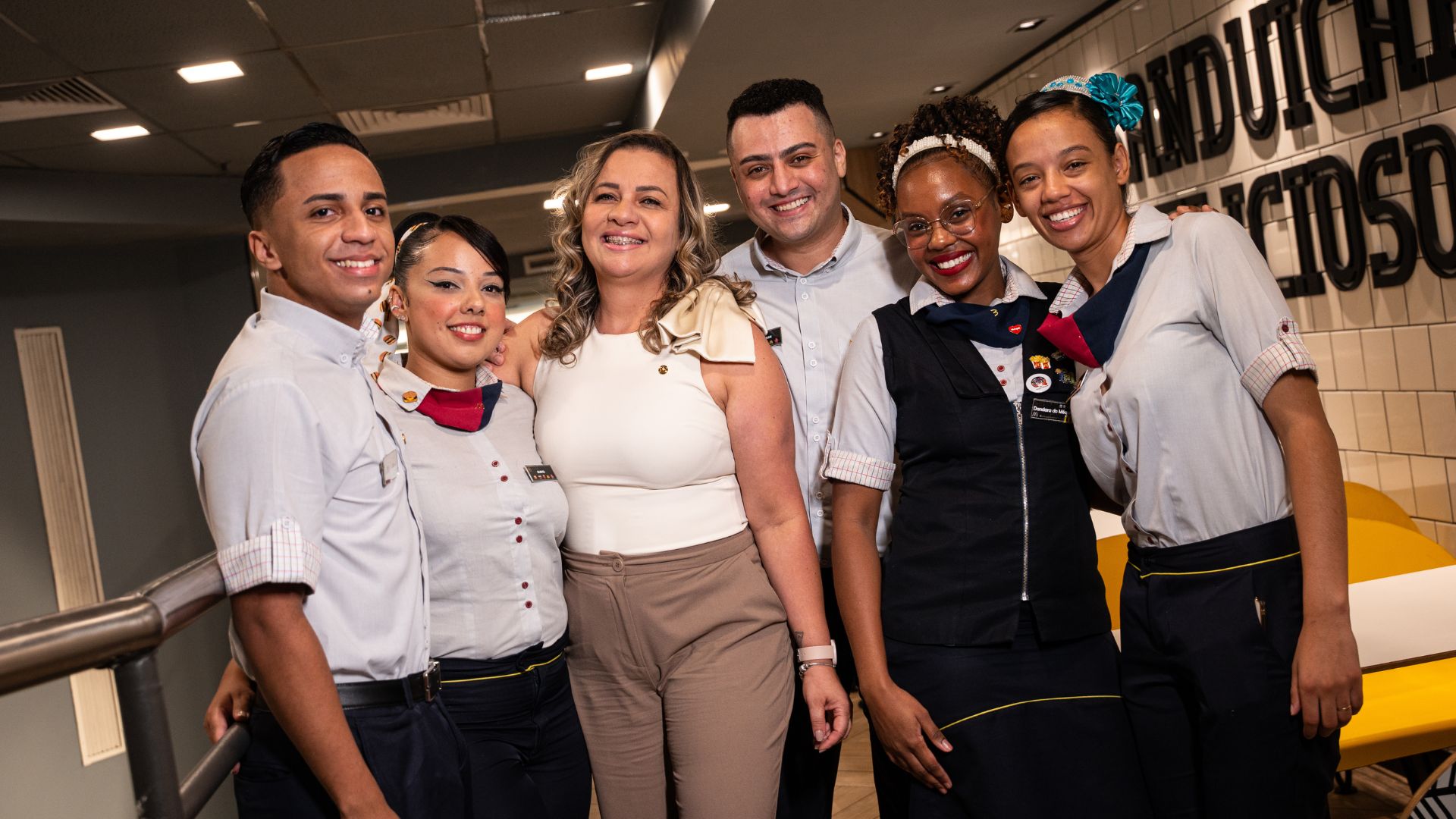
Inclusion and sense of belonging: insights from the Arcos Dorados Brazil experience
This translation was produced using artificial intelligence.
Creating workplaces where people can develop, have a voice, and feel that they belong is one of the commitments that guides our work at Arcos Dorados. In Brazil, this approach is reflected in different initiatives related to gender and racial equity, sexual diversity, inclusion of people with disabilities, health and well-being, among others.
But how are these initiatives experienced in everyday life? What makes people truly feel included?
This question is at the heart of a study conducted at Arcos Dorados Brazil and published in the Employee Responsibilities and Rights Journal, a recognized scientific journal published by Springer Nature. The study analyzes how a person’s position within an organization can influence the way they interpret and experience inclusion.
Based on 27 interviews —17 with restaurant employees and 10 with People & Culture leaders—, the study brought together different perspectives on this topic within our operations.
One of its main findings shows that inclusion is not built solely through formal policies and programs: it also comes to life through everyday experiences and relationships. While our People & Culture leaders tend to approach inclusion through policies, metrics, and organizational practices, restaurant employees place particular value on aspects such as being heard, recognition, support, fair treatment, and close relationships with their leaders. The study thus highlights the role of leaders and active listening in building a sense of belonging.
This perspective connects with the work we have been advancing through different initiatives in Brazil. Programs such as Mc Amigo, which provides social and psychological support to our employees; Conexa, which facilitates access to therapy sessions; and Bora Falar meetings, which create spaces for listening and dialogue, are some of the examples highlighted in the study itself.
The research also points out that these experiences can extend beyond the workplace and connect with aspects such as people’s well-being and their social and family lives.
This publication allows us to bring our experience into dialogue with the academic community and deepen our understanding of how to build increasingly inclusive workplaces, based on the real experiences of the people who are part of our Company.
Read the full study published by Springer Nature here.









